

Imagine standing in the heart of a bustling American town square—everyone is speaking their mind, worshipping freely, reading diverse headlines, gathering for a cause, and petitioning those in power. These daily freedoms we often take for granted are not accidental; they are the very foundation granted by the Bill of Rights. If you’ve ever wondered what are the five rights protected by the Constitution, this guide will reveal how these essential freedoms, enshrined in the Bill of Rights, shape American life each day—and why protecting them remains more relevant than ever.
Understanding What Are the Five Rights Protected by the Constitution?
When Americans refer to their most cherished liberties, they're often talking about the five fundamental rights established in the First Amendment of the Bill of Rights to the United States Constitution. These rights—freedom of speech, freedom of religion, freedom of the press, freedom of assembly, and the right to petition the government—are the pillars on which American democracy firmly stands. The Bill of Rights, adopted in 1791, was born from the need to explicitly safeguard individual freedoms against government overreach, laying the foundation for modern civil liberties.
Grasping what are the five rights protected by the Constitution? is crucial for any citizen seeking to understand their role and responsibilities within the United States. These rights not only empower individuals but also serve as checks on the power of Congress and other branches of government. Throughout American history, these freedoms have been tested, reaffirmed, and—at times—contested in the Supreme Court, adapting through precedent and social evolution to remain central in everyday life in the States of America.
Exploring the Bill of Rights and the Constitution of the United States
The Bill of Rights—comprising the first ten amendments to the Constitution—was introduced to address concerns that the original document didn't do enough to protect individual freedoms, including the critical freedom of speech. The First Amendment stands out, succinctly listing the five core liberties and using imperative language to direct Congress: “Congress shall make no law respecting an establishment of religion, or prohibiting the free exercise thereof; or abridging the freedom of speech, or of the press; or the right of the people peaceably to assemble, and to petition the government for a redress of grievances. ” This section is crucial for guiding both legislation and Supreme Court interpretation, ensuring Americans’ liberties are protected regardless of shifts in common law or at a time of war.
With these words, the United States Constitution not only outlines an expectation for governance but charts the blueprint for American life—demanding that no law can infringe upon these specified behaviors and beliefs. Their clarity, coupled with amendment through the process of law, demonstrates the strength and flexibility that has allowed the Bill of Rights to remain enduring and influential for over two centuries.
For readers interested in a comprehensive overview of all the key topics and resources available on constitutional rights and American freedoms, you can explore the HTML Sitemap on Rise And Revolt. This organized resource provides direct access to related articles and guides, making it easier to deepen your understanding of the Bill of Rights and its ongoing impact.
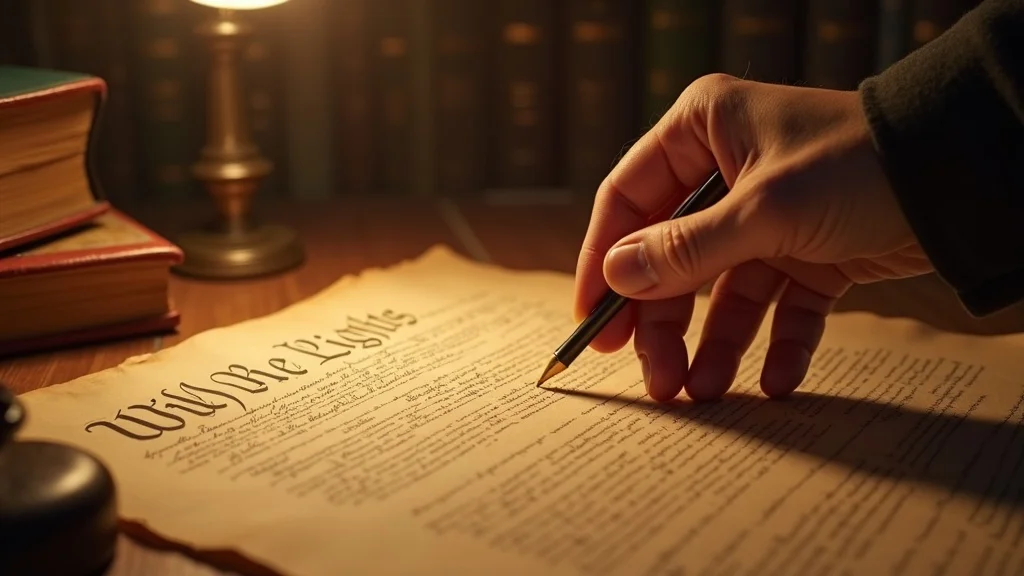
The Enduring Significance of the United States Constitution
The United States Constitution is not merely a historic document: it’s living law, shaping every aspect of civic and political life in America. Its endurance is rooted in the ability to guarantee and adapt core freedoms, centralizing the country’s commitment to liberty and justice under a system of common law. The five rights prominently enshrined in the First Amendment have not only weathered the passage of time but have enabled spirited debate, social progress, and the protection of minority viewpoints even in periods of conflict or peace.
By understanding what are the five rights protected by the Constitution, especially those enshrined in the Bill of Rights, citizens recognize both the shield and the sword at the heart of American governance. These rights command respect at all levels—from local governments to the Supreme Court—shaping how communities interact, how change is driven by the people, and how society evolves in accordance with democratic ideals. In essence, the Constitution’s foresight serves as a daily reminder of both the privileges and the responsibilities that come with being a member of the United States of America.
What You'll Learn in This Guide to What Are the Five Rights Protected by the Constitution?
-
The origins and development of the five main rights in the Bill of Rights
-
A comprehensive breakdown of each right
-
Practical examples of these rights in action
-
Insights on how the Constitution of the United States shapes American freedoms
A Brief History: Bill of Rights and the Formation of the Constitution of the United States
The creation of the Bill of Rights was not an afterthought, but a necessary response to public demand for clearer individual protections in the newly formed United States. After the Constitution was ratified in 1788, many feared that the broad powers granted to the federal government could threaten the liberties fought for during the American Revolution. Influential thinkers, such as James Madison, engineered the Bill of Rights in 1791 to address these concerns—ensuring the federal Congress could “make no law” that encroached upon these freedoms and encoding a process of law that respected both government authority and individual rights.
This foundational compromise allowed the United States to move forward as a union of states with widely differing philosophies and traditions. The Bill of Rights was quickly embraced as a binding contract, creating established norms that the Supreme Court and common law would interpret in future generations. Its legacy continues to influence not just statutory law, but also the day-to-day expectations that Americans hold regarding government for a redress of grievances and other essential rights.
Why the Bill of Rights Was Added to the Constitution of the United States
The Founding Fathers debated intensely over the necessity of a Bill of Rights. While some believed the Constitution’s separation of powers was sufficient to prevent tyranny, others insisted explicit safeguards were needed. The result was the ten amendments now heralded as the Bill of Rights, which were essential to securing the support of states distrustful of centralized authority. By mandating that “Congress shall make no law” infringing on speech, religion, press, assembly, or petition, the government’s role became that of a vanguard for liberty—not its adversary. This strategic inclusion was paramount to ensuring lasting unity and constitutional legitimacy within the United States of America.
The addition of these amendments showed a profound awareness that individual freedoms must be spelled out and protected against shifts in political power, a principle that has withstood numerous challenges in peace and time of war. Today, their addition is celebrated as a critical turning point affirming the United States’ dedication to the rule of law and the rights of all citizens.
United States Historic Context: Safeguarding Freedoms
At the time of the founding, memories of colonial rule, forced taxes, and persecution for religious and political beliefs remained vivid. The Bill of Rights emerged as a direct response to abuses the colonists faced under British rule, specifically targeting infringements such as prior restraints on the press, punishment for dissent, and the imposition of a government-favored religion. By explicitly outlining “no law respecting an establishment of religion, or prohibiting the free exercise thereof,” and guaranteeing the right of the people peaceably to assemble, a safeguard was created not only for current citizens but for future generations, ensuring that common law and the Supreme Court would defend these vital areas of freedom.
This historical perspective reveals why these freedoms occupy a unique place in the American ethos. They are not only products of their era but mechanisms through which each citizen asserts their place in society, demanding and securing government transparency, fairness, and accountability—a pattern repeated throughout the nation’s storied history.
What Are the Five Rights Protected by the Constitution? A Detailed Overview
To answer the question at the heart of this guide—what are the five rights protected by the Constitution?—one must look to the First Amendment of the Bill of Rights. These five freedoms are foundational, influencing every other right and shaping the nation’s character. They include:
|
|
|
The Five Rights Protected by the Constitution at a Glance |
|
Right |
Description |
Examples |
|---|---|---|
|
Freedom of Speech |
Individuals can express ideas and opinions without government interference. |
Political debates, personal conversations, social media posts, artistic creations. |
|
Freedom of Religion |
The government cannot establish a religion or prohibit individuals from practicing their faith. |
Attending any place of worship, choosing not to practice a religion, displaying religious symbols. |
|
Freedom of the Press |
The press can report news, investigate issues, and criticize officials without censorship. |
Newspapers, blogs, television news, investigative journalism. |
|
Freedom of Assembly |
People can gather peacefully in groups for demonstrations or events. |
Protests, rallies, public meetings, marches. |
|
Right to Petition the Government |
Citizens have the right to make complaints or request changes of their government. |
Submitting petitions, lobbying, initiatives for new laws, filing grievances. |
List of the Five Rights: What Are the Five Rights Protected by the Constitution?
-
Freedom of Speech
-
Freedom of Religion
-
Freedom of the Press
-
Freedom of Assembly
-
Right to Petition the Government
Deep Dive: Freedom of Speech as One of the Five Rights Protected by the Constitution
Freedom of speech stands as perhaps the most recognized right in the Bill of Rights, woven tightly into the cultural, legal, and political fabric of the United States, underscoring its vital role in American democracy. Its guarantee in the First Amendment ensures that individuals and groups can share ideas, criticize public policy, or even protest the government without fear of censorship or retribution. The significance of “Congress shall make no law… abridging the freedom of speech” in the Bill of Rights cannot be overstated, as it provides both protection for unpopular opinions and a forum for democratic engagement.
This right is not without its limits; the Supreme Court has long grappled with delineating its boundaries, especially in cases concerning incitement, threats, or speech during a time of war. Still, the principle is clear: the ongoing discourse and dissent it enables are integral to both the process of law and the ongoing health of America’s democracy. Today, this right is continually tested in new realms, such as digital media and social platforms, yet its core intent—promoting dialogue and safeguarding dissent—remains unchanged.
Why Freedom of Speech Matters in the Bill of Rights
Freedom of speech, a key element of the Bill of Rights, was included as a direct response to oppressive prior restraint and censorship experienced under British rule. The founders realized that for a democracy to thrive, citizens must be able to voice their views freely and challenge prevailing norms and authorities. Legal precedents established by the Supreme Court, including protections for symbolic speech and limitations for inciting violence, illustrate that while not absolute, this right is fiercely protected. Each generation wrestles with its scope, but the foundational message endures: the robust exchange of ideas ensures a resilient, reflective, and progressive society.
Whether in political rallies, artistic performances, or online discussions, the right to free speech, as guaranteed by the Bill of Rights, underpins civic engagement. When laws or regulations attempt to infringe on this right, courts are called to examine whether they align with constitutional principles. This commitment to dialogue is at the heart of the American experience and sets the standard for other freedoms in the Bill of Rights.
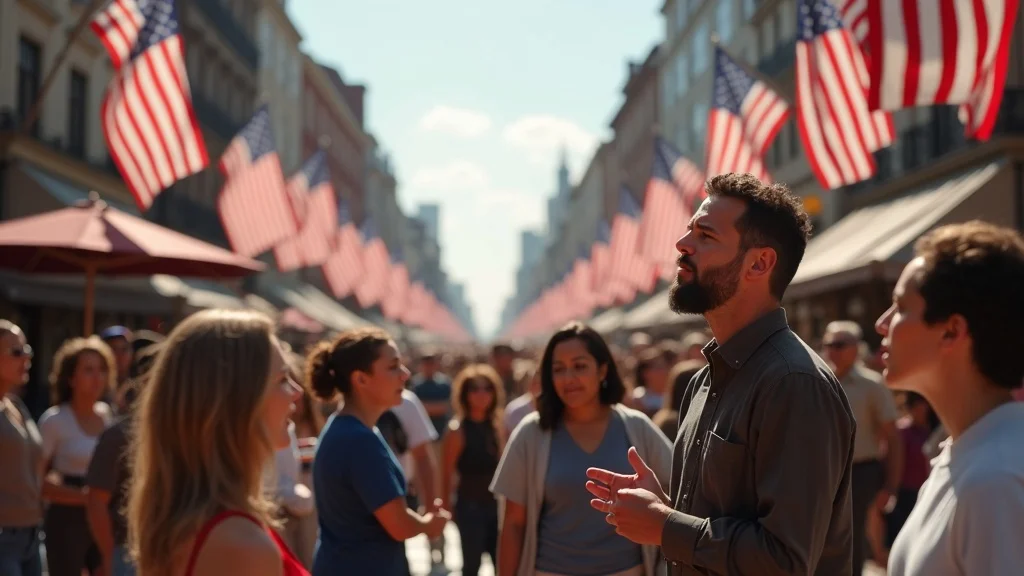
Constitution of the United States: Legal Precedents on Freedom of Speech
The Supreme Court’s history is laden with pivotal decisions that shape the modern understanding of free speech, a fundamental right protected by the Bill of Rights. From the landmark “Schenck v. United States,” which introduced the “clear and present danger” test, to “Brandenburg v. Ohio,” which refined protections for inflammatory speech unless it incites imminent lawless action, legal precedent continues to navigate this delicate balance. The process of law ensures that, even as society evolves—with new media and challenges in a digital age—the fundamental intent remains: government shall “make no law abridging the freedom of speech. ”
Beyond just legislation, common law and court decisions interpret how free speech interacts with issues such as national security during a time of war, hate speech, and even commercial advertising. Each case reinforces the notion that dissent and open discussion are the bulwarks of American liberty—hence the frequent description of speech as “the lifeblood” of democracy.
Freedom of speech is a pillar of free society – safeguarding dissent and dialogue across the United States.
Freedom of Religion in What Are the Five Rights Protected by the Constitution?
The struggle for religious liberty was a powerful motivator for many who settled in early America and, as such, the First Amendment’s guarantee of religious freedom is both broad and profound. The Constitution ensures that Congress shall make no law respecting an establishment of religion, nor prohibiting the free exercise thereof. This dual protection means that the government may not favor one religion over another, nor can it interfere with an individual’s or community’s right to worship—or not worship—as they choose.
The “free exercise thereof” phrase has granted Americans more than just tolerance; it demands respect and legal standing for an astonishing range of beliefs and practices. Legal battles from the Supreme Court have defined the balance, at times restricting state action that imposes unnecessary burdens on religious practices, while also maintaining order by setting reasonable limits, especially in situations involving public health or conflicting civil rights. In practical terms, freedom of religion in the United States means that churches, synagogues, mosques, and temples stand side by side—and individuals of no faith at all are equally protected.
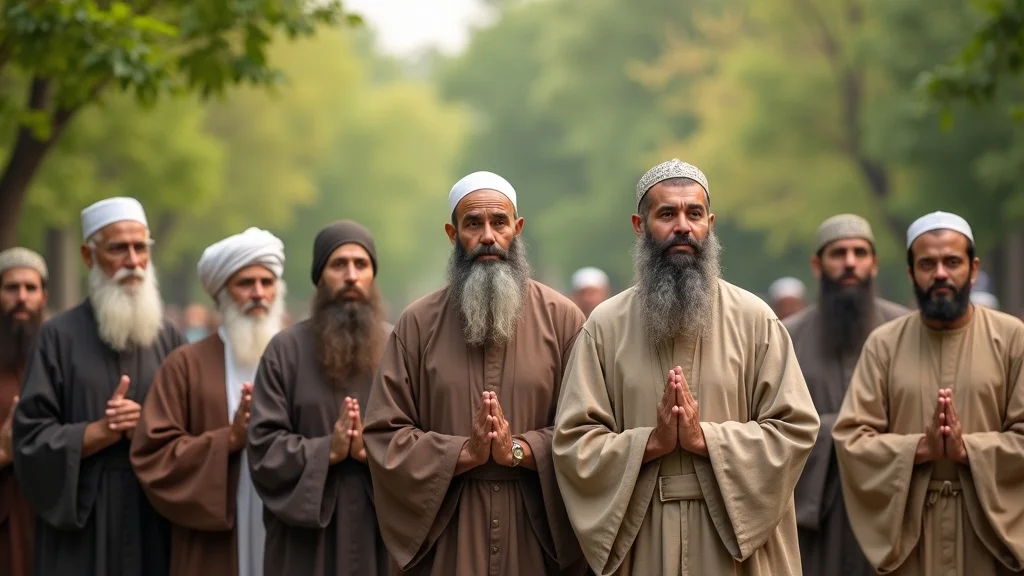
American Diversity and the Bill of Rights’ Guarantee
American society’s vast tapestry is woven from countless religions and cultural beliefs, the result of centuries of immigration and evolving ideals. By embedding the freedom of religion in the Constitution, the United States has positioned itself as a haven for religious minorities and a champion for universal tolerance. The Bill of Rights ensures that not only does the government make no law respecting an establishment of religion, but it also actively safeguards the ability for any person or group to practice—or refrain from practicing—faith according to their conscience.
Such protections have made possible a pluralistic society where religious freedom and diversity are embraced as core values. These constitutional anchors continue to foster dialogue, understanding, and common ground among very different communities, enriching the American experience and underlining the interconnectedness of all five constitutional rights.
Freedom of Religion in the Constitution of the United States: Applications and Limitations
While the principle of religious freedom is clear, its real-world application is often tested in the courts. Not all actions claimed as religious are protected; the government may set limitations when public health, safety, or welfare are at stake. Key Supreme Court opinions, such as those interpreting the “free exercise thereof” clause, have explored everything from mandatory vaccinations to workplace accommodations. What remains consistent is the Court’s vigilance in ensuring laws are neutral—neither advancing nor inhibiting religion, in keeping with “law respecting” the establishment of religion without discrimination.
The tension between religious freedom and other societal interests, such as anti-discrimination laws or the rights of children, forms a dynamic ongoing debate. Yet, the fundamental spirit of the Constitution’s promise endures, prioritizing individual conscience and respect for diverse beliefs as essential hallmarks of American democracy.
Freedom of the Press: Keeping the United States Informed
The press serves as the “fourth estate,” holding government and private interests accountable and providing the public with crucial information. The Bill of Rights’ explicit protection against “abridging the freedom… of the press” is a powerful assertion that journalists and publishers should report, investigate, and question without undue restriction. In this way, the Constitution makes clear that a free and independent press is central to democracy and to the daily functioning of the United States of America’s system of government.
Over time, this right has become increasingly complex, encompassing traditional print media, broadcasting, and now online journalism. Despite the pressures of misinformation, security concerns in a time of war, or attempts at censorship, the Supreme Court regularly reaffirms the necessity of press freedom—linking its existence with the public’s right to know and participate in civic life.
Investigative Journalism and the Bill of Rights
Investigative journalism plays a vital role in a healthy democracy by uncovering corruption, injustice, and abuse of power. Through the First Amendment’s guarantee of press freedom, journalists are afforded the protection needed to pursue in-depth evidence, ask tough questions, and expose hidden truths—all without fear of government reprisal. Landmark coverage, whether uncovering political scandals or reporting from conflict zones, demonstrates the press’s commitment to accountability and transparency as directed by the Bill of Rights.
By upholding robust legal protections for news gathering and publication, courts have made clear that the freedom of the press is integral to the nation’s core identity. While reporters are subject to certain responsibilities, such as avoiding libel and confirming information, their overarching right to “make no law abridging the freedom of the press” stands as a defining hallmark of American law and governance.
Historic Cases on Press Freedom in the Constitution of the United States
Historic court cases—like New York Times Co. v. United States, commonly known as the Pentagon Papers case—have tested the limits of press freedom during periods of national crisis. The Supreme Court has steadfastly defended the right of journalists to inform the public, even when the government argues that publication could threaten national security. These precedents reinforce the notion that the press is not simply a business but a vital “check and balance” on those in power, ensuring government transparency and public awareness, both in peacetime and in a time of war.
This legal latitude for the press, grounded in the Bill of Rights and the process of law, ensures investigative reporting and robust news analysis continue to empower American democracy—keeping citizens informed and engaged.

Freedom of Assembly as Protected by the United States Constitution
Freedom of assembly is an essential but sometimes overlooked pillar in the First Amendment’s list. This right enables individuals to come together peaceably to assemble—whether for protest, celebration, worship, or collective bargaining. In the United States, public demonstrations and mass gatherings have been central to achieving civil rights, influencing legislation, and promoting the open exchange of ideas. Legal protections are clear: as long as assemblies remain lawful and nonviolent, government must not interfere.
Nevertheless, the scope and limits of this right are frequently debated, especially when public safety or competing rights are involved. Courts, including the Supreme Court, are often called upon to balance the right to assemble with reasonable restrictions regarding time, place, and manner. Despite these challenges, freedom of assembly remains a recognizable marker of American democracy and civic participation.
Examples: Freedom of Assembly in American History
From historic marches during the civil rights era to contemporary rallies and protests, the freedom of assembly has empowered Americans to voice their concerns and demand change. The 1963 March on Washington, where Martin Luther King Jr. delivered his iconic “I Have a Dream” speech, epitomizes the strength of peaceful assembly in shaping public opinion and driving progress. More recently, demonstrations on issues ranging from environmental policy to social justice continue to reflect the power and resilience of this right.
The phrase “people peaceably to assemble” in the Bill of Rights echoes in every lawful gathering, underscoring the link between peaceful protest and the United States’ ongoing experiment in democracy. The courts frequently reaffirm that, while disruptive or violent actions may be regulated, the fundamental right to peaceful assembly is sacrosanct.
Contemporary Challenges to the Bill of Rights’ Assembly Protections
Modern society has witnessed renewed debate over the scope of freedom of assembly, particularly amid controversies over protest tactics, public health emergencies, or security concerns. Questions often arise regarding the proper balance between public order and protected liberties, prompting Supreme Court scrutiny and adjustments in local ordinances. It is not uncommon to see laws challenged when they infringe too far on assembly rights or when authorities fail to distinguish between peaceful and unlawful gatherings.
Even as challenges persist, Americans remain vigilant in defending the right to assemble—a testament to its ongoing importance. Today, this right proves crucial in mobilizing collective action, amplifying marginalized voices, and reinforcing the interconnectedness of all five constitutional rights.
Right to Petition: Making Voices Heard in the Constitution of the United States
The right to petition the government for a redress of grievances grants every American a direct channel for seeking change—whether by organizing petitions, lobbying officials, or calling for legislative action. Embedded in the First Amendment, this right is vital for accountability, participatory democracy, and the rule of law. By expressly protecting the act of “petitioning the government,” the Constitution makes clear that government is answerable to the people, and that “congress shall make no law” to silence such requests.
This right also underscores the nonviolent, procedural means by which Americans can seek remedies for perceived injustices, deficiencies, or unresolved policy questions. As with other fundamental rights, courts have interpreted the right to petition broadly, facilitating everything from grassroots letter campaigns to electronic petitions in the modern era. Americans utilize this tool to initiate legal reform, challenge executive orders, and demand policy changes at every level of government.
Definition and Importance of Petition Rights in the Bill of Rights
The Founders considered the petition right indispensable, inspired by English common law traditions and their own experience seeking redress of grievances under colonial rule. Once codified, it became the formal mechanism through which citizens not only voice demands but hold leaders to account. By requiring government to receive and consider grievances—no matter how controversial—the Constitution encourages open dialogue and participatory governance.
Today's advocacy campaigns, signature drives, and calls for reform are all derivatives of this enduring liberty. Supreme Court cases have maintained this right’s primacy, insisting that while the methods of redress may change with technology, the government’s duty to consider those grievances under the law remains a fundamental American guarantee.
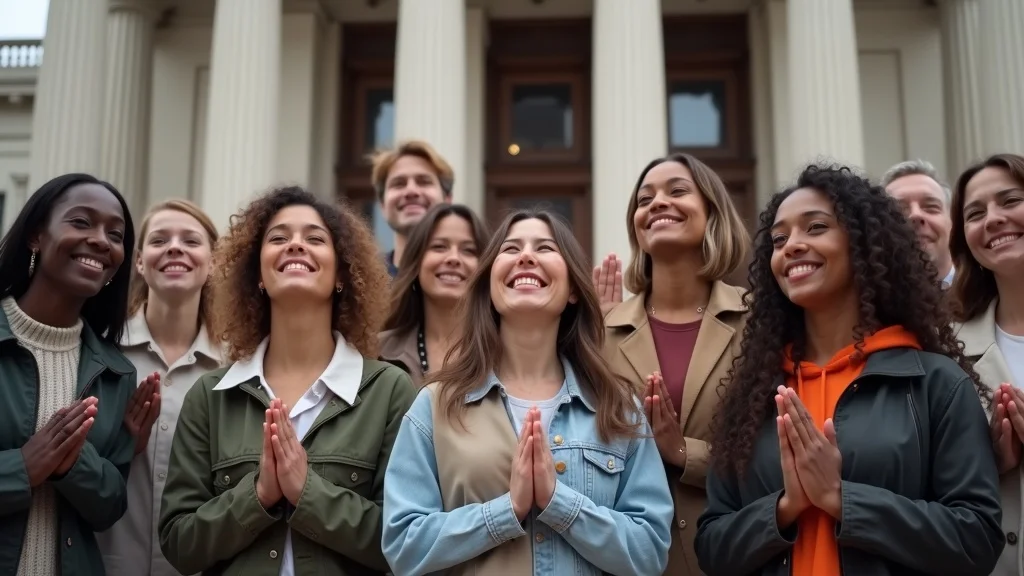
Landmark Petitions That Changed the United States
Throughout history, transformative petitions have reshaped America’s laws and priorities. Abolitionist petitions in the 19th century fueled debates over slavery; the women’s suffrage movement succeeded in part through massive petition campaigns; more recently, grassroots petitions have demanded civil rights protections and environmental reform. Each success story attests to the enduring power and importance of the right to petition as guaranteed in the Bill of Rights.
Even failed petitions have left their mark—fostering debate, educating the public, and occasionally prompting government reconsideration of existing policies. Ultimately, this process embodies the “democracy in action” spirit envisioned by the founders.
Petitioning is democracy in action, ensuring government accountability, and rooted in the Bill of Rights.
Table: Comparison of the Five Rights Protected by the Constitution
|
|
|
|
Comparison of the First Amendment's Five Rights |
|
Right |
Main Clause |
Modern Example |
Legal Limitations |
|---|---|---|---|
|
Speech |
No law abridging freedom of speech |
Social media posts, spoken opinions, public debate |
Incitement to violence, threats, defamation |
|
Religion |
No law respecting an establishment or prohibiting free exercise thereof |
Worship services, religious attire, conscientious objection |
Public health exceptions, neutral application of law |
|
Press |
No law abridging freedom of the press |
News reporting, editorials, investigative journalism |
Libel/slander laws, classified information restrictions |
|
Assembly |
Right of people peaceably to assemble |
Protests, marches, community meetings |
Permit requirements, time/place/manner |
|
Petition |
Right to petition the government for redress of grievances |
Online petitions, citizen initiatives, lobbying |
Reasonable government response, anti-harassment |
People Also Ask: What Are the Five Rights of the Constitution?
What are the five rights of the Constitution?
-
The Constitution of the United States explicitly lists five core rights in its First Amendment: freedom of speech, freedom of religion, freedom of the press, freedom of assembly, and the right to petition the government for redress of grievances. These rights, established and protected by the Bill of Rights, form the legal and cultural bedrock of American society, ensuring individuals can voice opinions, practice faith, report news, gather peacefully, and seek policy changes through lawful means.
Who can declare a president incompetent?
-
The constitutional process for declaring a president incompetent is detailed in the 25th Amendment. It involves the vice president and a majority of the Cabinet, or another body as Congress may by law provide, informing the leaders of the Senate and House of Representatives. If the president contests the decision, Congress must decide the matter, requiring a two-thirds vote in both chambers to affirm incapacity. This process of law ensures due process and checks and balances within the legislative and executive branches.
What are the five main rights?
-
The five main rights protected by the Bill of Rights are: (1) freedom of speech—allowing individuals to express themselves; (2) freedom of religion—protecting both belief and practice; (3) freedom of the press—empowering news dissemination and government scrutiny; (4) freedom of assembly—ensuring peaceful group activity; and (5) the right to petition—allowing citizens to seek changes from government. These rights anchor democratic governance and safeguard individual autonomy in the United States.
What are the 5 basic rights protected by the First Amendment?
-
The First Amendment protects five intertwined rights: (1) freedom of speech, enabling open dialogue; (2) freedom of religion, ensuring belief and worship are personal choices; (3) freedom of the press, giving media independence; (4) freedom of assembly, supporting collective action; and (5) the right to petition, providing a legal avenue for grievance redress. These fundamental rights apply across federal and state governments, forming the backbone of American civil liberties.
FAQs on What Are the Five Rights Protected by the Constitution?
-
What rights does the First Amendment protect?
The First Amendment protects freedom of speech, religion, press, assembly, and the right to petition the government—forming the basis of American civil liberties and democratic participation. -
Are the rights of the Constitution absolute?
While these rights are fundamental, they are not absolute; the Supreme Court permits reasonable restrictions—like public safety or defamation—while safeguarding the overall intent of the Bill of Rights. -
How are the five rights enforced in the United States?
These rights are enforced through a mixture of legislation, judicial interpretation by the Supreme Court, and active public participation. Violations can be challenged in court, ensuring ongoing vigilance. -
Does the Bill of Rights only apply to the federal government?
Originally, the Bill of Rights applied only to the federal government. Through the doctrine of incorporation—developed by the Supreme Court—most protections now apply to state and local governments as well.
Key Takeaways on What Are the Five Rights Protected by the Constitution?
-
Understanding the function and scope of each right
-
The interconnectedness of the Bill of Rights and Constitution of the United States
-
How these rights enable civic participation and safeguard democracy
Learn More About the Five Rights Protected by the Constitution of the United States
Shop our collections now!
Conclusion
Knowing what are the five rights protected by the Constitution? empowers you to recognize, exercise, and defend your freedoms, fortifying democracy for present and future generations.
If you’re inspired to further expand your knowledge of American rights and the broader context of constitutional freedoms, the Rise And Revolt sitemap is your gateway to a wealth of in-depth articles and resources. Whether you’re seeking advanced insights into civil liberties, landmark Supreme Court cases, or the evolution of democracy in the United States, this curated collection will help you connect the dots and deepen your understanding. Take the next step in your civic journey—explore related topics and discover how the principles enshrined in the Constitution continue to shape the nation’s future. Your engagement with these foundational ideas is a powerful way to uphold and advance the values at the heart of American democracy.
Sources
-
https://constitution.congress.gov/constitution/amendment-1/ – U.S. Constitution, First Amendment
-
https://www.supremecourt.gov/ – Supreme Court of the United States
The First Amendment to the United States Constitution safeguards five fundamental freedoms: freedom of religion, speech, press, assembly, and the right to petition the government. These rights are essential to American democracy, ensuring individuals can express their beliefs, share information, gather peacefully, and seek governmental redress without fear of reprisal.
For a comprehensive understanding of these freedoms, the Legal Information Institute offers an in-depth overview of the First Amendment, detailing its provisions and interpretations. (law.cornell.edu) Additionally, the National Archives provides a clear explanation of the Bill of Rights, highlighting the significance of these first ten amendments in protecting individual liberties. (archives.gov)
If you’re serious about understanding the core rights enshrined in the U. S. Constitution, these resources will provide you with authoritative and detailed insights.
0 comments