

The broader impact of access to justice is felt in the way societies ensure inclusion and equality. By eliminating barriers to representation, legal information, or redress, the rule of law empowers individuals and strengthens the social contract that binds communities together. The result? A more equitable society in which disputes are settled not through force or fear but through due process, independently and transparently administered.
How the Rule of Law Affects Day-to-Day Life
On an everyday level, the rule of law guarantees that you can confidently seek access to justice—whether contesting a parking ticket, reporting a landlord’s violation, or defending your rights in more serious matters. This shield isn’t reserved for the rich or the powerful; it’s everyone’s right. People know that there will be avenues for independently adjudicated disputes and that public and private actors will be held accountable to laws.
Ultimately, the rule of law is not a distant, bureaucratic concept. It shows up in the very way we interact with institutions, understand our responsibilities, and exercise our freedoms. As recent global challenges reveal, continual vigilance and advocacy are required to preserve access to justice and the broader social benefits it brings.

The Supreme Court and What is the "rule of law"? in Action
Does the US Have a Rule of Law?
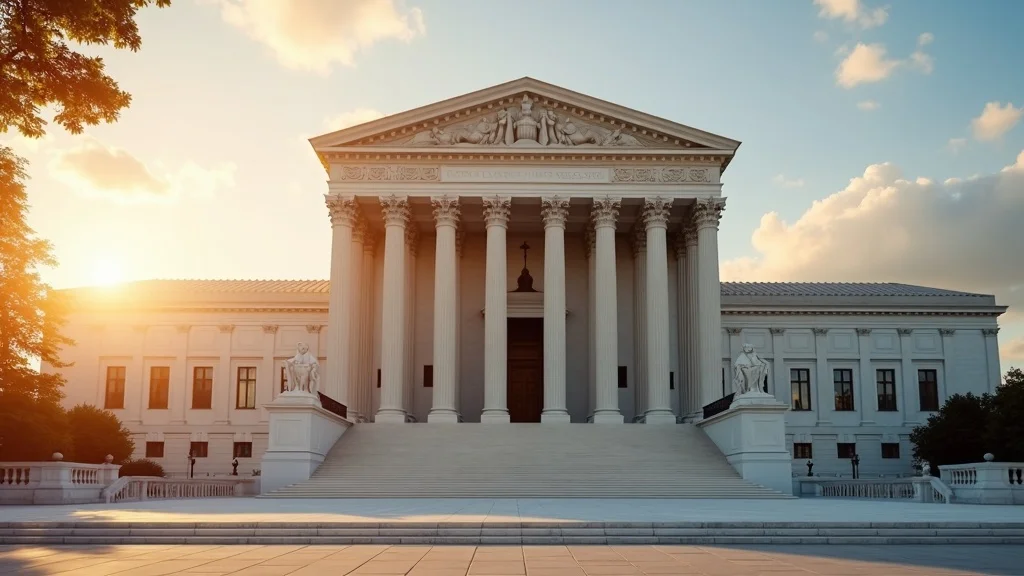
A central question—does the US have a rule of law?—is often answered affirmatively by examining the role of its Supreme Court and the guiding framework of the United States Constitution. Here, foundational documents like the Federalist Papers—penned by luminaries such as James Madison—make the case for government of law, not of men. The US legal system is designed around clear statutes, due process, and oversight mechanisms that guard against abuses of power.
Yet, maintaining a rule of law is an ongoing project. Public trust in institutions, respect for separation of powers, and robust procedures for challenging authority are all subject to continual testing. Through landmark judgments and the daily work of lower courts, the United States demonstrates both the enduring strength and the ever-evolving nature of the rule of law in action.
Landmark Supreme Court Cases Highlighting the Rule of Law
The legitimacy and effectiveness of the rule of law often emerge most clearly through landmark US Supreme Court cases that uphold justice and legal principles. These cases—from Marbury v. Madison establishing judicial review, to Brown v. Board of Education enforcing equal rights—showcase the power of an independent judiciary to uphold legal principles over political pressures or popular sentiment.
Each landmark decision empowers ordinary citizens by clarifying and reinforcing the parameters of justice, such as compliance with due process, equal protection, and upholding human rights. Whether overturning unjust segregation or guaranteeing the right to legal counsel, these rulings have tangible impacts on daily life and mark hard-won victories for the principle that laws must be fairly and consistently applied to all.
Contemporary Challenges: Erosion and Renewal of Rule of Law
Current Threats to the Rule of Law
In the present era, the rule of law faces significant challenges globally and at home, including threats to judicial independence and the erosion of access to justice. Threats range from executive overreach, censorship, and erosion of judicial independence to outright disregard for established legal standards. Recent years have seen governments in various countries undermine accountable to laws principles, either by weakening legislative checks, stacking courts, or imposing emergency decrees. These actions can tip the balance from a government of law to governance by individuals or ruling parties.
Simultaneously, misinformation and public disillusionment can lead to apathy or acceptance of these erosions. When due process is ignored, or when laws are applied selectively, entire justice systems become vulnerable to collapse—or worse, to manipulation by those in power.
-
Examples of governments undermining rule of law
-
Role of civic engagement in upholding and renewing rule of law
However, history shows that civic engagement—through protest, advocacy, and participation in public life—can and does renew the rule of law and strengthen access to justice for all. When citizens unite to demand accountability, support an independent judiciary, and insist on transparency, societies find ways to restore the balance and re-commit to justice for all.

What is the Best Example of the Rule of Law?
Comparing International Approaches to Rule of Law
To see the rule of law in action, it’s helpful to examine how different nations implement it across diverse law systems. Some countries prioritize constitutional supremacy and equality before the law, while others emphasize communal consensus or traditional dispute-resolution mechanisms. Despite these differences, a common thread emerges: societies with strong rule of law enjoy greater stability, prosperity, and individual freedoms.
In contrast, where the rule of law is weak or selectively applied, corruption, human rights abuses, and economic stagnation often follow. Examining nations like the United Kingdom, Germany, Japan, and Canada reveals varied frameworks, but each is anchored by respect for legal process, separation of powers, and consistent enforcement of laws.
Lessons from Notable Historical Events
Significant historical moments—such as the post-WWII creation of the United Nations and the Universal Declaration of Human Rights—demonstrate the global community’s commitment to the rule of law. Other examples, like South Africa’s transition from apartheid or Eastern Europe’s embrace of democratic reforms, underscore how societies renew and revive the rule of law in the wake of injustice.
Our collective history proves that protecting the rule of law requires vigilance, sacrifice, and public participation. These lessons remind us that where laws are made, interpreted, and enforced openly, societies are most resilient against the abuses of arbitrary power.
Table: Comparing Definitions of What is the "rule of law"? Across Legal Systems
|
Country/Region |
Definition Highlights |
Core Principles |
|---|---|---|
|
United States |
Government of law, not men; supremacy of the constitution; judicial independence. |
Due process, separation of powers, equality before the law. |
|
United Kingdom |
Parliamentary sovereignty; legal predictability; no one above the law. |
Transparency, accountability, common law tradition. |
|
Germany |
Rule of law is enshrined in Basic Law (Grundgesetz); protection of dignity and rights. |
Human rights, dignity, legal certainty. |
|
Japan |
Constitutional supremacy; emphasis on procedural fairness and social harmony. |
Judicial review, legal consistency, public welfare. |
|
International (UN) |
Universal Declaration of Human Rights; foundation for global justice. |
Equality, non-discrimination, access to justice. |

Quotes from Global Thought Leaders on the Rule of Law
“Wherever law ends, tyranny begins.” – John Locke
“The rule of law is the surest safeguard of freedom.”
Lists: Hallmarks of a Robust Rule of Law System
-
Equality before the law
-
Transparency of legal processes
-
Independence of judiciary
-
Accountability for all, including leaders
Watch this concise explainer video featuring experienced legal experts from various backgrounds. In a well-lit studio, these experts break down the fundamental concepts of the rule of law, using infographics, visual aids, and animated diagrams. Real-world examples, brief interview snippets, and engaging stories drive home why the rule of law matters—and what happens when it’s compromised.
People Also Ask
What is the rule of law in simple terms?
The rule of law means that everyone must follow the same laws, and those laws must be fair, clear, and applied equally. It protects your freedom by ensuring the government and its leaders can’t treat people unfairly or make up rules as they go along. If you break a law, you’re judged in court using the same standards as anyone else, not by someone’s personal opinion or favoritism.
Which best defines the rule of law?
The best definition of the rule of law is the idea that all people and institutions—including government leaders—are accountable to laws that are made publicly, enforced impartially, and decided by independent courts. It’s the foundation for fairness, peace, and justice, ensuring no one is above the law.
Does the US have a rule of law?
Yes, the United States is built on the rule of law, written into the Constitution and protected by an independent judiciary, including the Supreme Court. All branches of government must follow clear laws and respect due process so that everyone, including officials, can be held accountable for their actions. However, maintaining this system requires constant engagement and vigilance from both leaders and citizens.
What is the best example of the rule of law?
A clear example is a court case where a powerful person is found guilty or not guilty because evidence and the law—not their status—determined the outcome. Another example: when courts rule against government officials to protect ordinary people’s rights, showing that even leaders must obey the law. These moments prove that in a system with true rule of law, justice is available to all.
FAQs on What is the "rule of law"? and Its Broader Impact
-
Why is the rule of law important?
It gives everyone security, fairness, and a voice. By applying the same rules to all, it creates trust and prevents abuses of power that might otherwise lead to injustice or chaos. -
Can the rule of law ever fail?
Yes—when laws are ignored, applied unequally, or enforced by corrupt officials, justice systems break down. Societies must guard against such threats through public engagement and support for independent courts. -
How can I help uphold the rule of law?
Stay informed, participate in your community, vote wisely, and stand up when you see unfairness. Supporting transparency and accountability at all levels of government makes a difference.
Key Takeaways: Why the Rule of Law Remains Fundamental
-
Rule of law provides stability, fairness, and opportunity for all
-
Ongoing societal engagement is vital to protect rule of law
Explore Our Curated Collections Featuring Legal Insights
Curious to dig deeper? Shop our collections now! We feature the latest resources and insights on law, policy, and justice—giving you the tools to better understand your rights and the ever-evolving world of legal systems.
Conclusion
The rule of law underpins every free and just society. Stay engaged, informed, and active—your voice matters in protecting this vital foundation for today and tomorrow.
If you’re eager to expand your understanding of legal frameworks and how they intersect with broader movements for justice and reform, the Rise And Revolt sitemap offers a gateway to a wide array of articles and resources. Whether you’re seeking practical guidance or exploring the strategic impact of law on society, you’ll find valuable perspectives to inspire your next steps in civic engagement and legal literacy.
Sources
The concept of the “rule of law” is fundamental to understanding how societies function with fairness and justice. To deepen your comprehension, consider exploring the following authoritative resources:
-
“Rule of law | Definition, Implications, Significance, & Facts”: This comprehensive article from Britannica delves into the historical development and core principles of the rule of law, highlighting its significance in preventing arbitrary governance and ensuring equality before the law. (britannica.com)
-
“What is the Rule of Law?”: Published by the United Nations, this resource outlines the UN’s perspective on the rule of law, emphasizing its role in promoting international peace, security, and human rights. (un.org)
If you’re serious about understanding the foundational principles that govern just societies, these resources will provide you with valuable insights and a deeper appreciation of the rule of law.
0 comments